What is a universal wishlist, and who needs one?
A universal wishlist app keeps product links from different stores in one list. Learn how it differs from Amazon or store wishlists and when you need one.
how touniversal wishlist
Bob, Quokit · 23 June 2026

Most wishlists fail for a simple reason: the ideas are spread across store accounts, browser tabs and messages. The person buying the gift has to rebuild the list before they can use it.
A universal wishlist puts those links in one place. That sounds basic. In practice, it removes a surprising amount of admin.
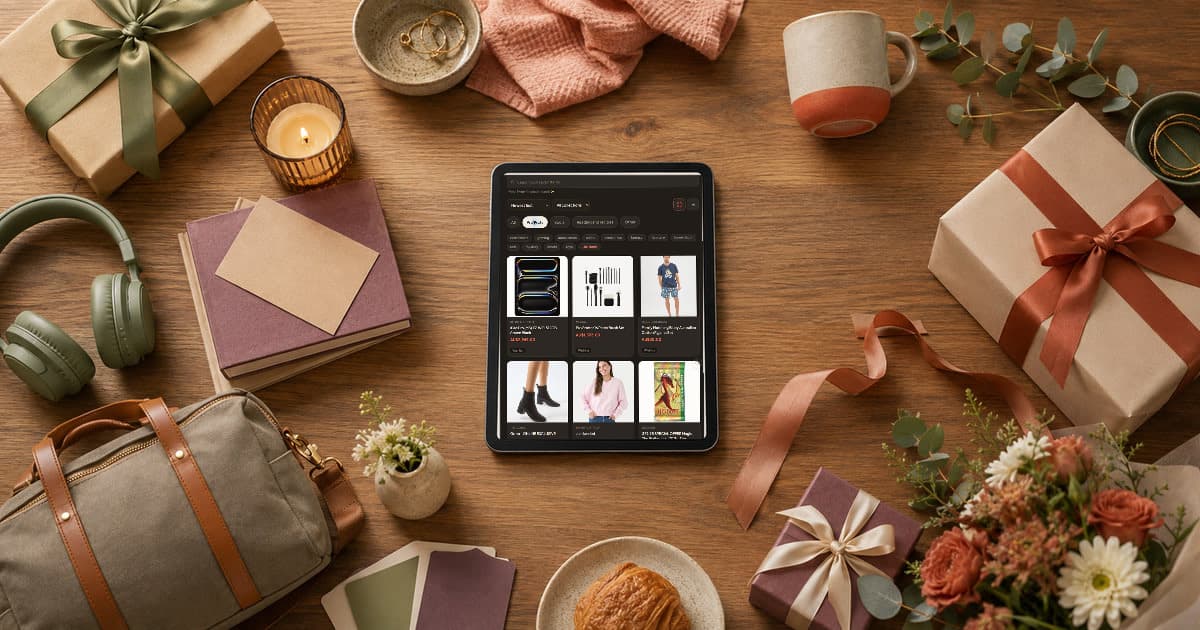
A universal wishlist stores product links from different online stores in one list. For example, a birthday list might contain headphones from an electronics shop, a book from a local bookseller and cookware from a department store.
The value is not the number of stores. It is one list, one place to update it and one link to share.
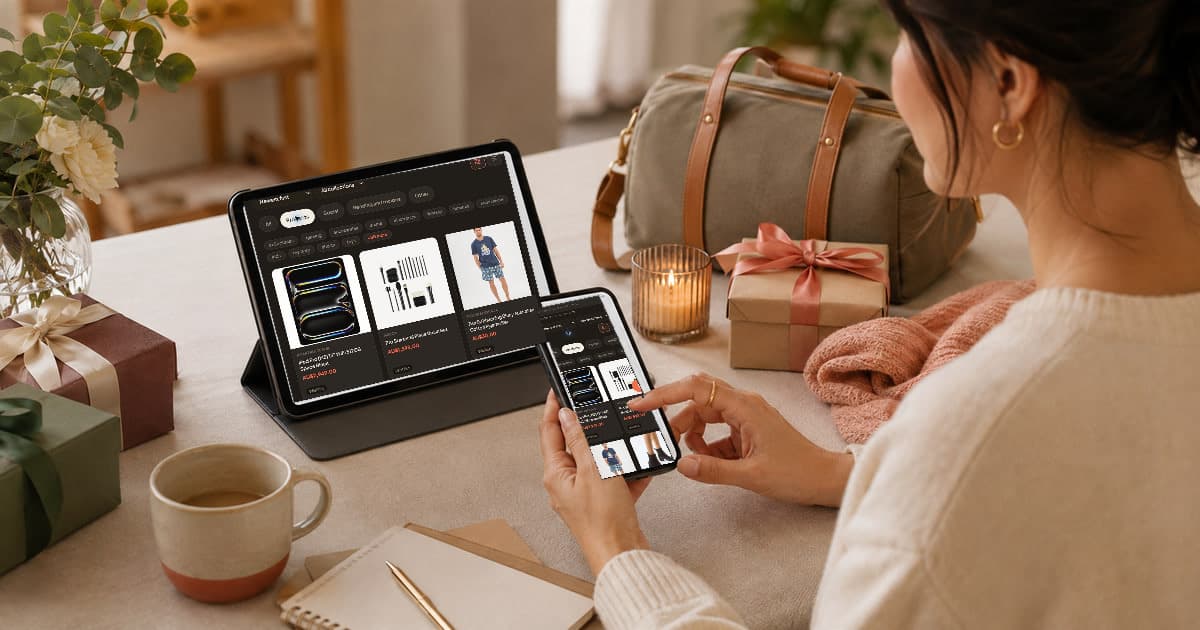
What does that mean for you? Your family does not need three store accounts or a message containing six loose links. They open one list and follow the retailer link for the item they want to buy.
Practical takeaway: Use a universal wishlist when your gift ideas regularly come from more than one store.
A store wishlist is useful when nearly every item comes from that retailer. It can show stock and price accurately inside the store's own system.
A universal list trades some of that tight store integration for choice. Quokit saves links from supported public product pages and captures the details those pages expose. Some protected or highly dynamic pages may return an incomplete image or price.
My opinion is simple: a store list is fine until the store boundary starts changing what you ask for. If you choose a second-best item because the preferred one is sold elsewhere, the tool is now driving the decision.
Practical takeaway: Keep a store wishlist for a store-specific shop; use a universal list for real multi-store planning.
Parents coordinating birthdays, couples planning a wedding registry and families sharing Christmas ideas are obvious examples. A universal list is also useful for a long-running personal list that mixes practical purchases with gift ideas.
Here is the test I use: count how many places hold your current ideas. If the answer is a retailer account, saved social posts, screenshots and a notes app, one shared list will be easier to maintain.
The common assumption is that more lists create more organisation. Usually they create more places to forget. Clear categories inside one system work better than unrelated lists across several systems.
Practical takeaway: Consolidate when finding an idea takes longer than saving it.
Privacy depends on the product. In Quokit, a list is shared through a private link and is not intended to be publicly indexed. Anyone who receives or is forwarded that link may be able to view it, so treat it like any other shared link.
Viewing does not require an account. Claiming an item requires email verification or sign-in. Premium list owners can enable anonymous claims when they do not want the recipient to see claim activity.
Practical takeaway: Share the link only with the intended group and revoke it if it reaches the wrong person.
List three products you want from three different stores. If you can organise them more clearly in one place, join the Quokit beta. You can also read how to make a wishlist people use before sharing it.
Practical takeaway: Start with a small real list, not a blank template you may never finish.
Try it yourself: build a universal wishlist with Quokit with products from different stores in one shareable list.
Yes. Quokit is Australian-built and intended for people worldwide. Store shipping, currency and regional availability still depend on the retailer.
No. Public product pages work best. Sign-in-only, protected or highly dynamic pages may not expose complete product details.
The tools overlap. A wishlist usually records personal gift ideas. A registry is normally tied to an event and guest coordination. See what a gift registry does.
© 2026 Quokit. All rights reserved.