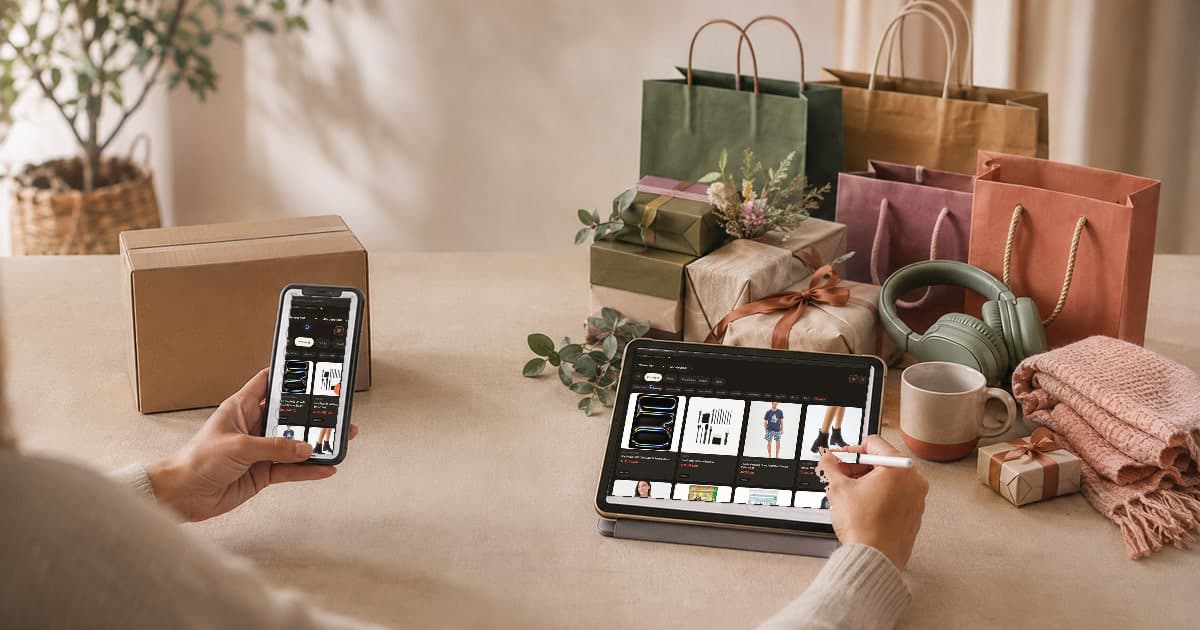
What is a gift registry? Meaning, how it works and how to choose one
Gift registry meaning explained in plain English: what a registry does, how store and universal registries differ, and how verified claims coordinate guests.
Bob, Quokit · 23 June 2026
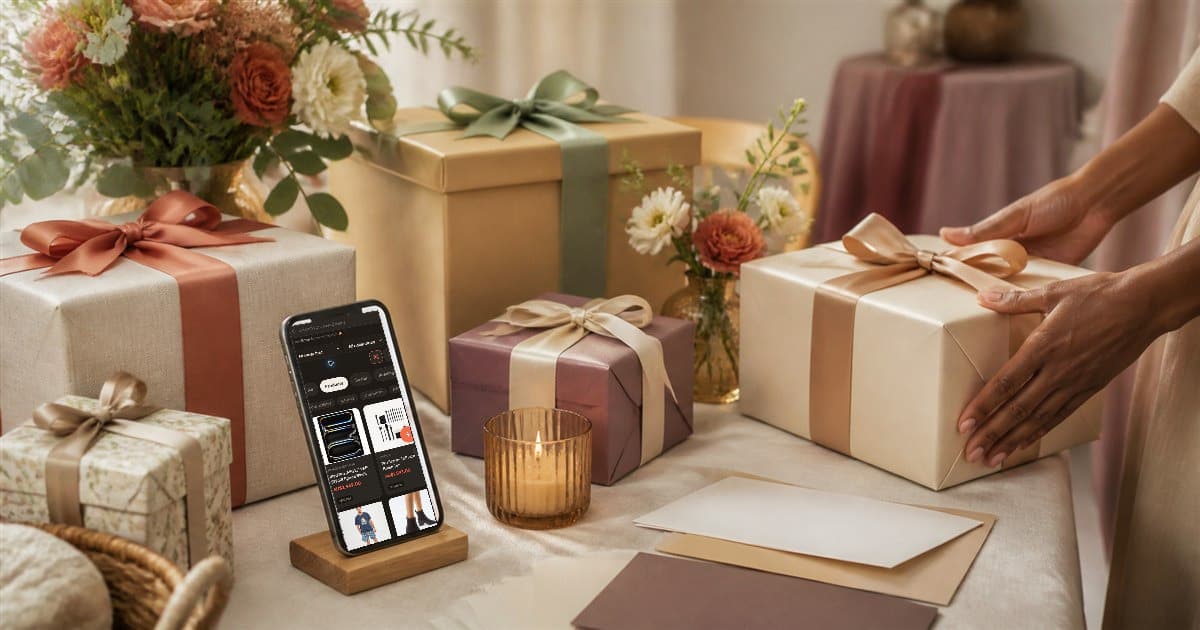
A gift registry is a shareable list of gifts created for an event such as a wedding, baby shower or birthday. Guests open the registry to see exactly what the recipient wants and mark what they plan to buy, so nothing gets purchased twice.
In other words, a registry answers two questions for guests: what does the recipient want, and has someone else already chosen it? The confusing part is that store registries, universal registries and cash funds solve those questions in different ways.
A registry is an event-based list of requested gifts. It is commonly used for weddings and baby showers, but it can also support birthdays, housewarmings and other events.
The organiser adds specific items and shares the registry with guests. Guests use availability or claim information to reduce duplicate purchases.
Unlike a normal shopping list, a registry has a second audience. Every item needs enough detail for a guest who may not know the preferred size, model or retailer.
Practical takeaway: A registry is a shared coordination tool, not only a list of ideas.
A store registry is managed by one retailer. That can provide accurate stock, fulfilment, returns and completion discounts inside the retailer's system.
The limitation is choice. If the preferred cot comes from one shop and the preferred pram comes from another, the organiser may need separate registries or a second document.
My opinion is that a store registry is the right tool when its service benefits matter more than multi-store choice. It is not outdated just because universal registries exist.
Practical takeaway: Choose a store registry when one retailer genuinely covers most of the event.
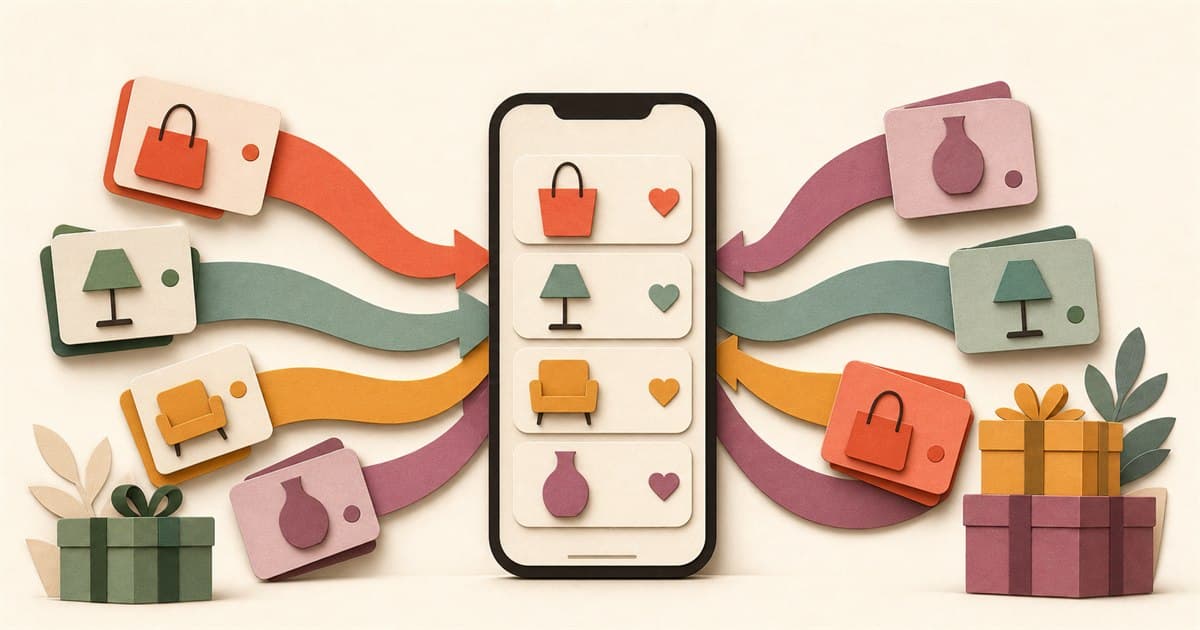
A universal registry combines links from different retailers in one guest-facing list. It gives the organiser more product choice and gives guests one place to check.
Quokit saves supported public product links and captures the details those pages expose. Guests can view without an account and verify their email or sign in when claiming an item.
The common assumption is that universal means every page will import cleanly. It does not. Protected and highly dynamic retailer pages may return incomplete details, so review every important item before sharing.
Practical takeaway: Universal describes the multi-store model, not guaranteed extraction from every page.
A claim means one guest intends to buy an item. A pledge records an intended contribution towards a larger group purchase.
Quokit coordinates those intentions. It does not collect or hold guest money. Payment happens outside Quokit with the retailer or through an arrangement the group chooses.
For example, three guests can record pledges towards a sofa, but they still need to agree how and where the purchase is paid.
Practical takeaway: Use claims for individual gifts and pledges for coordination, not payment processing.
List the retailers, event size and whether you need cash collection or only pledge coordination. If a private multi-store registry fits, visit Quokit's gift registry page or join the beta.
Practical takeaway: Decide the payment and retailer model before adding products.
Planning a wedding? See how a wedding registry with gifts from different stores works. You're not locked to one retailer.
No. Viewing uses the private link. Claiming an item requires email verification or sign-in.
No. Registries can support baby showers, housewarmings, birthdays and other events.
No. Quokit can coordinate pledges but does not collect or hold money.
A wishlist records personal gift ideas all year round. A registry is tied to a specific event and adds guest coordination, so people can claim items and avoid duplicates. Quokit supports both from the same list.
A store registry is limited to that retailer. A universal registry like Quokit can combine products from different retailers, for example Myer, Target, IKEA or Amazon, in one guest-facing list.
© 2026 Quokit. All rights reserved.