Birthday wishlist ideas that are useful at different budgets
Build a birthday wishlist with practical categories, several price ranges and enough detail for people to buy the right item.
occasionsbirthday wishlist ideasbirthday wishlist
Bob, Quokit · 23 June 2026
The hardest part of a birthday wishlist is not finding products. It is choosing ideas that other people can buy with enough detail about taste, size and budget.
Start with categories and price ranges. Products come after that.
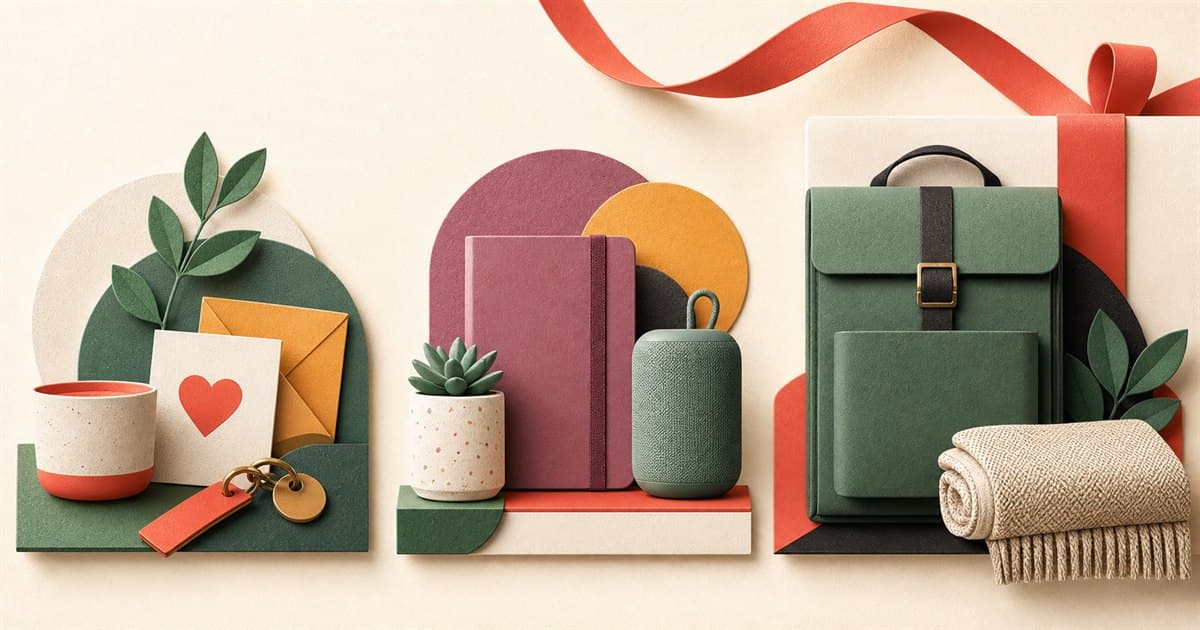
Use categories connected to how you already spend time or money:
A real example is better than “something for cooking”. Link the exact 28 cm frying pan, then note whether a similar size is acceptable.
Practical takeaway: Choose categories from your real routine, not generic gift lists.
For a list of 12 items, try five lower-cost ideas, five mid-range ideas and two higher-cost options. The actual amounts depend on your family and currency. The spread matters more than fixed numbers.
My opinion is that every list needs at least three options that do not require a group purchase. A list full of expensive products can make a buyer ignore the list entirely.
The common assumption is that people will simply contribute less towards an expensive item. Unless you have set up a group-gift pledge, many buyers will not know whether that is welcome.
Practical takeaway: Give solo buyers several clear options before adding larger ideas.
Record size, colour, model, format and acceptable substitutes. For a book, say paperback, hardback or ebook. For shoes, add the exact size and colour. For an experience, include location and any date limits.
If the product has several variants under one URL, put the chosen variant in the note. Do not assume the retailer preserves your last selection for another visitor.
Practical takeaway: Add the detail that disappears when another person opens the link.
Remove it when you buy it yourself, no longer want it or can no longer find the correct version. Replace dead links rather than leaving the buyer to search.
A birthday list can run all year, but review it when you share it. Ten current ideas are more useful than thirty old ones.
Practical takeaway: A smaller current list beats a long archive.
Write one idea under each category, then add two more in the price range your family uses most. Build the list with Quokit's birthday wishlist app or read how to make a wishlist people use.
Practical takeaway: Seven specific ideas are enough to start a useful birthday list.
Ten to 15 current items usually gives buyers enough choice without creating a catalogue.
No, if you also include lower-cost options and make it clear when an item suits a group gift.
Yes, but review every link, note and priority before sharing it again.
© 2026 Quokit. All rights reserved.